Wayne Mardle His Darts Career Hawaii 501 Nickname and TV Success
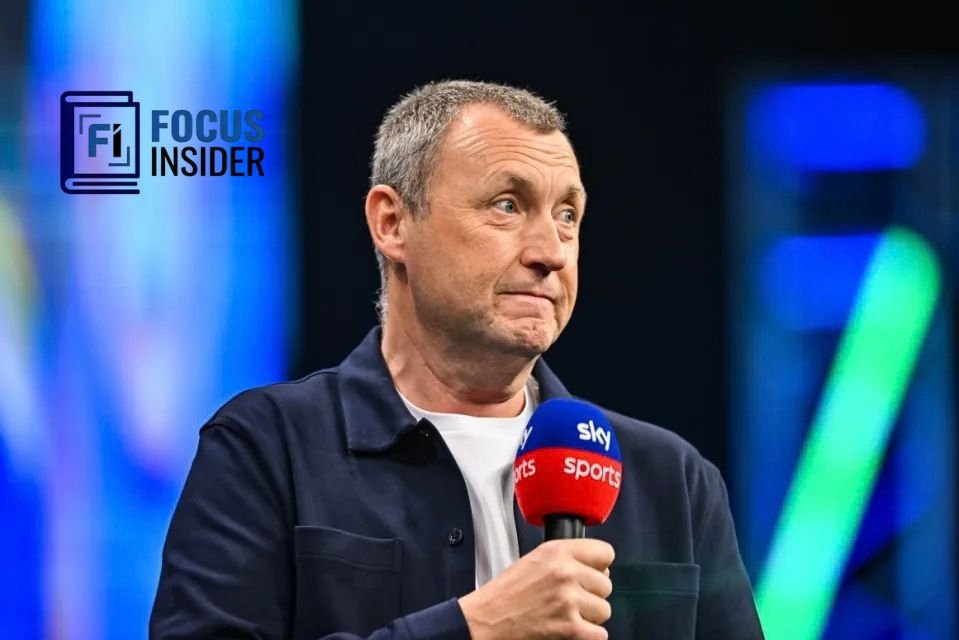
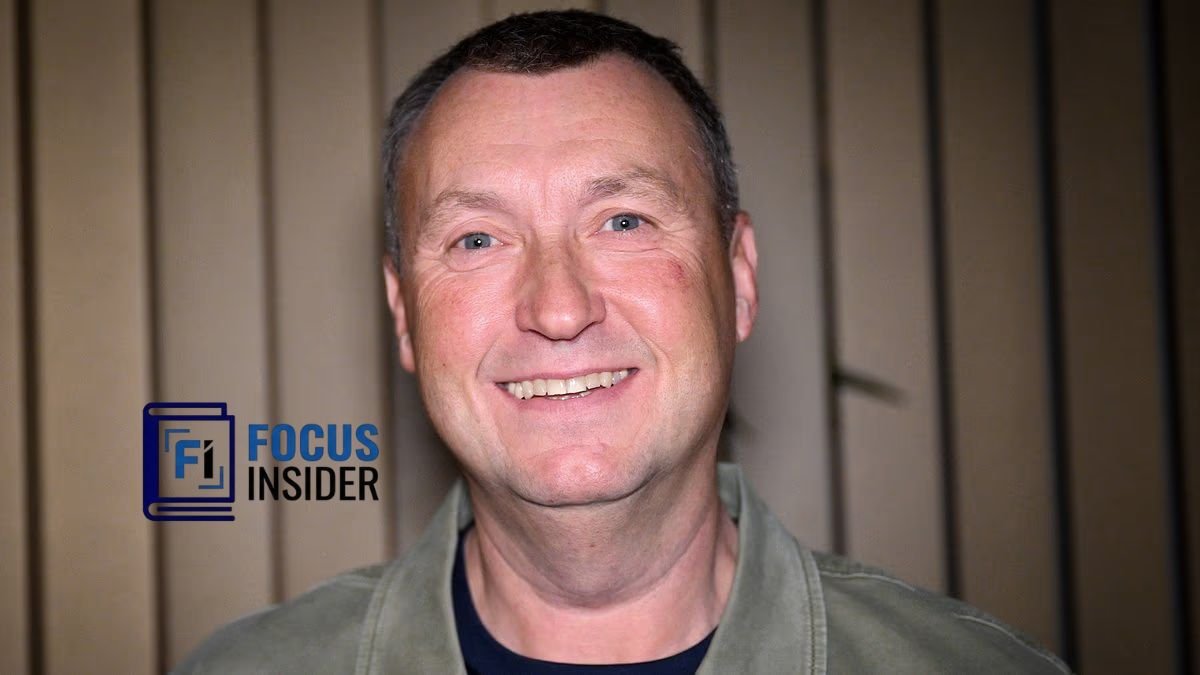
Wayne Mardle is an English former professional darts player and television commentator, best known by his nickname “Hawaii 501.” A five-time World Championship semi-finalist across the BDO and PDC, he built a following through his colourful shirts, entertaining stage presence and ability to challenge the sport’s strongest players. He later became a familiar voice on Sky Sports, bringing a former competitor’s perspective to major tournaments.
For newer fans, his voice may be more familiar than his playing record. His reaction to Michael Smith’s nine-dart finish in the 2023 World Championship final introduced his enthusiasm to an even wider audience. However, understanding Mardle means looking beyond one commentary clip: his story includes impressive tournament runs, difficult defeats and a successful second career behind the microphone.
Who Is Wayne Mardle?
Wayne Mardle Born on 10 May 1973 in Tottenham, London, Mardle is 53 years old as of October 2026. He competed in both the British Darts Organisation, commonly called the BDO, and the Professional Darts Corporation, or PDC.
His career connects two experiences of professional darts: the pressure of standing at the throwing line and the responsibility of explaining that pressure to viewers.
| Detail | Information |
|---|---|
| Name | Wayne Mardle |
| Date of birth | 10 May 1973 |
| Age | 53, as of October 2026 |
| Birthplace | Tottenham, London, England |
| Nationality | English |
| Nickname | Hawaii 501 |
| Known for | Professional darts, commentary and punditry |
| BDO World Championship best | Semi-final, 2001 |
| PDC World Championship best | Semi-finals, 2004, 2005, 2006 and 2008 |
| World Matchplay best | Runner-up, 2003 |
Why Is Wayne Mardle Called Hawaii 501?
The nickname combines his signature Hawaiian shirts with a reference to Hawaii Five-O. The number 501 also represents the starting score in the standard professional darts format.
His bright shirts made him immediately recognisable on stage. Paired with dancing and an outgoing approach to the crowd, they helped create an identity that spectators could remember after a single appearance.
There is a practical reason this worked so well. Darts players compete on a relatively small stage, where individual personality can become an important part of the viewing experience. A distinctive shirt, entrance and nickname give audiences something to connect with before the first dart lands.
For Mardle, that identity remained useful after his playing career. “Hawaii 501” became a lasting link between the competitor older fans remembered and the broadcaster newer viewers recognised.
His Early Career and BDO Breakthrough
Wayne Mardle’s development began before his years as a familiar television personality. He played darts as a youngster and progressed into competition, eventually making an impression at the highest level of the BDO.
An important breakthrough came at the 2001 BDO World Championship, when he reached the semi-finals. That performance established that his ability could carry him deep into a world championship, well before his better-known PDC runs.
For readers unfamiliar with darts history, the BDO and PDC operated separate world championships during this period. Consequently, a player’s achievements may be spread across two organisations.
This distinction explains why Mardle is described as a five-time World Championship semi-finalist, although his PDC record contains four such appearances. The fifth came in the BDO.
Wayne Mardle’s Biggest Darts Achievements
Wayne Mardle’s strongest results reveal consistency across several seasons and tournament formats.
World Championship performances
His four PDC World Championship semi-finals came in 2004, 2005, 2006 and 2008. Reaching three consecutively from 2004 to 2006 demonstrated that he could repeatedly compete near the top of the sport.
A single strong tournament can transform a player’s reputation. Returning to the same stage across multiple years provides a broader measure of competitive quality.
Major finals
He also finished runner-up at:
- The 2003 World Matchplay.
- The 2004 Las Vegas Desert Classic.
- The 2005 Las Vegas Desert Classic.
Phil Taylor defeated him in all three finals. That detail places Mardle’s record in context: his opportunities to win major titles repeatedly brought him up against the dominant player of that era.
Although a major televised PDC title eluded him, his professional career included tournament victories. Sky Sports credits him with nine ranking titles, alongside those three major final appearances.
His Memorable Victory Over Phil Taylor
One of Wayne Mardle’s standout results came in the quarter-finals of the 2008 PDC World Championship, when he defeated Phil Taylor 5–4 in sets.
It remains an essential match for understanding his playing career. Taylor was the benchmark against whom other leading players were measured, and beating him at the World Championship carried particular significance.
Mardle could not turn that victory into a place in the final. Kirk Shepherd defeated him 6–4 in the next round, before losing the final to John Part.
The sequence captures the uncertainty of knockout sport. Beating a celebrated opponent can be a defining achievement, but the next match brings a different challenge. For anyone discovering Mardle through commentary, this tournament offers a useful introduction to both his quality and the disappointments that shaped his competitive experience.
From Professional Player to Television Commentator
Wayne Mardle’s broadcasting career allowed him to remain closely involved in elite darts after stepping away from the professional circuit.
By 2020, he was firmly established in Sky Sports’ coverage. When practice videos prompted speculation about a playing comeback, he publicly rejected the idea and explained his reluctance to return to the pressure of professional competition.
That distinction matters. A retired professional can still throw excellent darts without wanting to resume the demands of tournament life. Practice, occasional appearances and a sustained professional campaign require different commitments.
Commentary also asks for different skills. Knowing what a player should do is only part of the job; a broadcaster must explain the decision clearly, react quickly and recognise when the action needs room to speak for itself.
Mardle’s appeal comes from the combination of technical interest and visible enjoyment. He can discuss a missed opportunity while still sounding excited about what might happen next.
The Famous “I Can’t Speak” Commentary
Mardle’s most widely recognised broadcasting moment came during the 2023 PDC World Championship final between Michael Smith and Michael van Gerwen.
In a remarkable leg, Van Gerwen missed a dart to complete a nine-dart finish. Smith then completed his own perfect leg moments later. Mardle’s response included the unforgettable words:
“I can’t speak, I can’t speak.”
He later explained that the phrase referenced a celebrated commentary clip involving rugby league commentator Mick Morgan. It was an expression he already used, rather than a line prepared specifically for the final.
The moment works even for viewers with limited darts knowledge. Both players were approaching perfection, one narrowly missed, and the other succeeded immediately afterwards. The commentary conveyed the scale of that achievement through an instinctive emotional response.
It also illustrates why memorable broadcasting does not always require a lengthy explanation. Sometimes a few words express the excitement more effectively than a detailed account.
Wayne Mardle’s Television Work in 2026
Mardle’s broadcasting work extends beyond the older clips that continue to circulate online.
Sky Sports published his analysis following Luke Littler’s second consecutive World Championship title in January 2026. ITV’s official programme listings also name Mardle among the coverage team for the 2026 Winmau World Masters and 2026 UK Open.
These appearances show that his television career includes work across more than one broadcaster. For viewers looking for his commentary, the relevant tournament’s official coverage information is more useful than assuming every event has the same team.
Broadcast availability also differs internationally. Fans outside the United Kingdom should check their local rights holder when looking for full matches, while official broadcaster clips can provide shorter examples of his analysis.
His Wife Donna and His Absence From Coverage
In December 2024, Sky Sports announced that Mardle’s wife, Donna, had died aged 52 following a short illness.
The announcement came at the beginning of the 2025 World Darts Championship. Tributes followed from the PDC, Phil Taylor, Raymond van Barneveld and others across the sport.
Mardle missed that championship’s coverage and returned to Sky Sports during the opening night of the Premier League in Belfast in February 2025. This provides the context for searches asking why he was absent from television during that period.
His public career is extensively documented, but personal loss deserves a more restrained account. The confirmed announcement and subsequent return explain the interruption without speculation about private family matters.
Conclusion
Wayne Mardle has made a lasting contribution to darts in two different roles. As Hawaii 501, he combined showmanship with the ability to reach major finals and World Championship semi-finals. As a broadcaster, he has helped audiences understand the decisions, pressure and excitement behind the scores.
To appreciate both sides of his career, start with his 2008 World Championship victory over Phil Taylor, then watch his reaction to Michael Smith’s 2023 nine-darter. Which version of Mardle do you remember first: the player in the Hawaiian shirt or the voice behind the microphone?