
Rudolph Walker Age Career EastEnders Role and Lasting Legacy
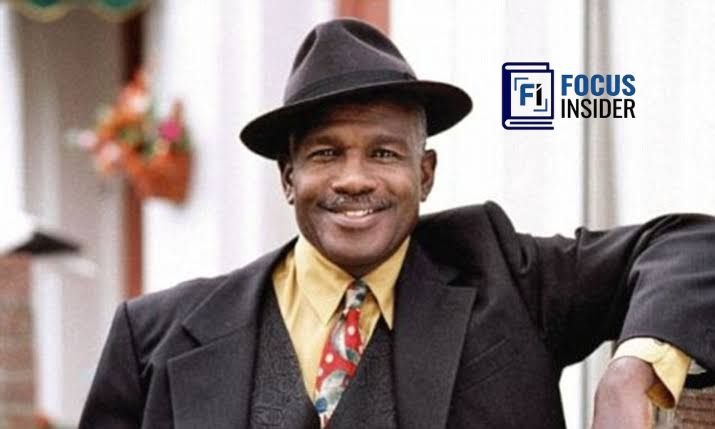
Rudolph Walker is a Trinidadian-British actor best known for playing Patrick Trueman in BBC’s EastEnders, a role he has held since 2001. Born on 28 September 1939 in Trinidad and Tobago, Walker became one of the pioneering Black performers to establish a sustained presence on British television. His career stretches across more than six decades and includes television, film, theatre and charitable work.
At 87 years old as of October 2026, Walker remains closely associated with British television and with the Rudolph Walker Foundation, the organisation he created to encourage and support young people through the performing arts.
Quick Facts
| Detail | Information |
|---|---|
| Full name | Rudolph Malcolm Walker |
| Date of birth | 28 September 1939 |
| Age | 87, as of October 2026 |
| Birthplace | Trinidad and Tobago |
| Profession | Actor |
| Famous role | Patrick Trueman in EastEnders |
| EastEnders debut | 2001 |
| Major earlier role | Bill Reynolds in Love Thy Neighbour |
| Honour | CBE |
| Foundation | Rudolph Walker Foundation |
| Autobiography | Walking With Dignity |
Who Is Rudolph Walker?
Rudolph Walker is one of the most recognisable veteran actors in British television. His long career is particularly significant because it developed during a period when opportunities for Black performers in mainstream British television were considerably more limited than they are today.
On his own website, Walker recalls beginning life in Trinidad and Tobago on 28 September 1939. He developed an interest in acting while young and left Trinidad for Britain in 1960, aged 20, hoping to advance professionally. Actor Errol John influenced his decision to pursue training in the United Kingdom rather than moving to the United States.
Walker would eventually become one of the Black actors seen regularly on British television during a transformative period for the industry.
Rudolph Walker’s Early Life in Trinidad
Walker grew up in Trinidad and Tobago and discovered performance long before becoming a television star.
According to his own account, acting was already part of his life before he emigrated. After arriving in Britain in 1960, he attended evening training at London’s City Literary Institute while working toward a professional career.
His arrival in Britain came at a difficult time for Black actors. The entertainment industry offered relatively few substantial roles, while racial discrimination was widespread in British society.
Walker has spoken openly about those experiences. In a 2024 interview, he discussed the barriers faced by Black performers throughout his career and argued that, despite major changes, equality within the television industry has developed more slowly than he would like.
Breaking Through in British Television
One of the defining moments in Rudolph Walker’s career arrived with Love Thy Neighbour.
The ITV sitcom ran from 1972 to 1976 and placed Black and white neighbouring couples at the centre of its story. Walker played Bill Reynolds alongside Nina Baden-Semper.
Walker describes himself as one of the first Black performers regularly featured on British television and says his part in Love Thy Neighbour gave him equal billing in a major British television series.
The programme remains controversial. It attempted to build comedy around racial prejudice, but its frequent racial insults and stereotypes are uncomfortable when viewed today. ITV’s own Black history overview notes both the show’s attempt to address racism and the crude name-calling that became part of its scripts.
For Walker, however, the role was an important professional breakthrough at a time when major television opportunities for Black actors were scarce.
From Love Thy Neighbour to The Thin Blue Line
Walker did not allow himself to become defined by one role.
His career expanded through theatre, film and numerous television appearances. Among his best-known later comedy roles was Constable Frank Gladstone in The Thin Blue Line, the police sitcom starring Rowan Atkinson.
The Rudolph Walker Foundation’s official biography also highlights his work in The Thin Blue Line and the film Ali G Indahouse, demonstrating the range of productions in which he appeared before and alongside his long EastEnders career.
He was also part of a generation of Caribbean actors who helped change how Black British life appeared on television. The British Film Institute notes Walker among the prominent performers involved with Empire Road, an important late-1970s drama centred on a multicultural community in Birmingham.
Rudolph Walker as Patrick Trueman in EastEnders
For many modern viewers, Rudolph Walker is Patrick Trueman.
Walker began playing Patrick in EastEnders in 2001 and has remained one of the soap’s enduring figures. The character became known for his distinctive personality, relationships, family stories and position as an older member of the Albert Square community.
The longevity of the role is remarkable. More than two decades of playing the same character has allowed Walker to portray Patrick through comedy, family conflict, romance and serious dramatic storylines.
His work was formally recognised at the 2018 British Soap Awards, where he received the Outstanding Achievement Award. ITV reported that Walker, who had played Patrick since 2001, received the honour in recognition of his contribution.
That award reflected more than one successful soap character. It recognised a career that helped broaden representation across British television.
Why Rudolph Walker Matters to British Television
Walker matters not simply because he has worked for a long time, but because of when that career began.
When he was trying to establish himself in Britain, Black performers could face both limited casting opportunities and overt prejudice. His ability to maintain a professional career through changing eras of British television made him an important figure for actors who came later.
His work also intersects with wider changes in representation. British television gradually moved from treating Black characters as unusual additions to developing programmes and storylines in which Black British life could be represented more fully.
Walker has nevertheless resisted the idea that the work is finished. In his 2024 Guardian interview, he argued that representation behind the camera, as well as in acting roles, still required substantial progress.
Rudolph Walker’s CBE and Other Recognition
Walker’s contribution has also been recognised beyond the entertainment industry.
He was named a Commander of the Order of the British Empire (CBE) in the 2020 New Year Honours for services to drama and charity. The official UK government honours data identifies Rudolph Walker, then already holding an OBE, among those appointed CBE.
The honour is significant because it reflects both sides of his public life: his acting career and his work supporting younger generations.
In 2025, Walker also received a Lifetime Achievement Award at the Power of a Man Awards, according to his foundation.
The Rudolph Walker Foundation
Walker created the Rudolph Walker Foundation in 2009, the year of his 70th birthday.
Its purpose extends beyond simply training young people to become actors. The organisation says it uses high-quality performing-arts experiences to promote confidence, wellbeing, creativity and personal development, particularly among young people who may face social or economic disadvantages.
Its programmes include drama activities, mentoring, choir initiatives, writing projects and role-model awards. The organisation’s official website remained active in 2026, reporting school visits and community events involving Walker.
The UK’s Charity Commission also lists the Rudolph Walker Foundation as a registered charity focused on education and arts, culture and heritage.
That work helps explain why Walker’s public legacy extends beyond his appearances on television.
Walking With Dignity: Rudolph Walker’s Autobiography
Walker told his story in the autobiography Walking With Dignity, published in September 2024.
The book traces his journey from Trinidad to Britain, his encounters with racism during the 1960s and 1970s, his television career and his experiences watching British society and entertainment change across several decades.
The title reflects an idea closely associated with Walker’s public outlook: perseverance without losing personal dignity.
For readers interested in more than his EastEnders career, the autobiography provides important context about the social conditions surrounding his rise in British entertainment.
Is Rudolph Walker Still Acting?
Rudolph Walker remained publicly active into 2026.
The Rudolph Walker Foundation continued to identify him as its founder and patron while reporting his appearances at schools and public events. It also promoted an October 2026 evening featuring Walker at London’s Millfield Theatre.
His extraordinary longevity means his career connects very different periods of British television—from the social tensions surrounding programmes such as Love Thy Neighbour to the modern era of EastEnders.
Rudolph Walker’s Legacy
Rudolph Walker’s legacy can be measured in more than years on television.
He entered British entertainment when prominent opportunities for Black actors were restricted, established himself in mainstream television and built a career lasting more than six decades. He then used his position to create opportunities intended to help younger people develop confidence through performance.
His portrayal of Patrick Trueman has made him familiar to millions of television viewers, but his broader importance comes from the path he helped establish.
From Trinidad to British theatre, groundbreaking television roles, EastEnders, a CBE and youth-focused charitable work, Walker’s career represents an important chapter in the story of modern British entertainment.
Conclusion
Rudolph Walker is far more than the actor behind Patrick Trueman. His career tells a wider story about migration, perseverance, representation and changing opportunities in British entertainment.
Beginning in Trinidad and continuing through more than six decades of work in Britain, Walker helped open doors at a time when Black actors rarely received sustained mainstream television exposure. His roles in Love Thy Neighbour, The Thin Blue Line and especially EastEnders made him a familiar face, while his CBE, autobiography and Rudolph Walker Foundation demonstrate the wider influence of his work.